

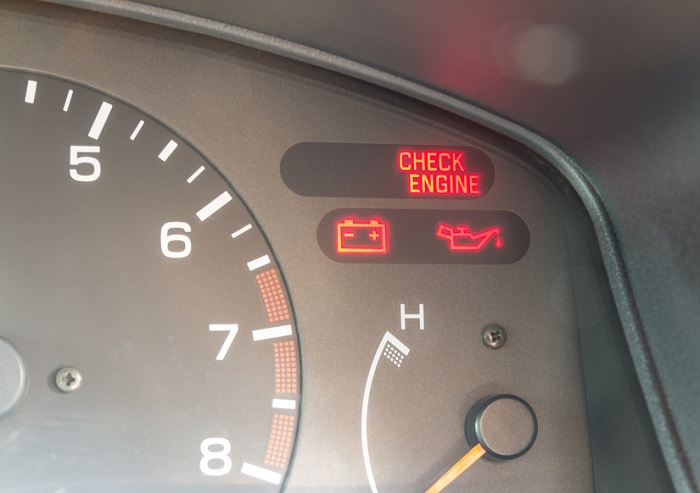
At our Mazda service center, we want to stress the importance of routine car care for the overall health of your vehicle. While not every type of car maintenance is as urgent as tire repair or engine damage, it’s still important to know what the different warning lights mean on your dashboard in order to maintain safety.
Warning vs. Indicator Lights
On your dashboard, there are two kinds of lights you may see: warning lights and indicator lights. Warning lights generally alert you to a serious issue, while indicator lights make you aware that a certain feature is engaged. Most of these lights are red, white, blue, or yellow, with red lights being the most severe issues that need resolved ASAP.
Some common examples of warning lights include the brake system light, charging system light, engine oil lights, and high coolant temperature light. Common indicator lights include high beam lights, front passenger airbag light, smart brake support light, cruise control indicator light, and turn signal lights. If your car includes driver assistance features, you might see lights for lane-keeping assist, blind-spot monitoring, and others when those features are being used.
What to Do When You See a Warning Light
If you’re ever unsure what a warning light means when it comes on while you’re driving, the best thing to do is to safely pull over and look up the symbol in your car’s manual. The most urgent cases may require the assistance of a tow truck to avoid further damage, but some indicator lights may just need to be reset next time you get an oil change. It all depends on which light it is!
If you’re in our area, type “Mazda dealership near me” into your search browser and you’ll find directions to Peruzzi Mazda. We hope to work with you soon!
Connect with us
